
KSM-66 ashwagandha explained: what full-spectrum root extract means
By Plum Supplements · 8 min read
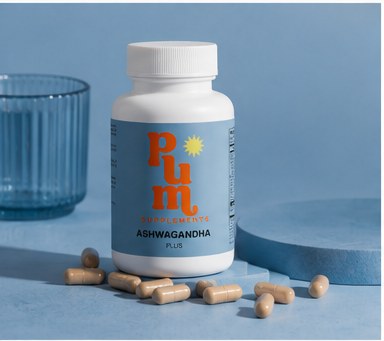
KSM-66 is a branded ashwagandha extract made only from the root of the plant, processed to keep a broad range of the root's natural compounds rather than isolating one. That is what "full-spectrum root extract" means. It is one of the most studied ashwagandha ingredients and is standardized so each batch is consistent.
What is ashwagandha?
Ashwagandha (Withania somnifera) is a small shrub whose root has been used for centuries in Ayurveda, the traditional system of medicine from India. In that tradition it is classed as a rasayana, a plant taken to support vitality and resilience. Today it is one of the most popular botanical supplements, typically taken to support a normal response to everyday stress, energy, and stamina.
The plant contains a group of natural compounds called withanolides, which researchers often use as a marker when standardizing extracts. Different extracts handle those compounds very differently, which is why the name on the label matters.
What does full-spectrum root extract mean?
"Full-spectrum" means the extract is designed to keep the broad mix of compounds found in the original root, in roughly their natural balance, instead of concentrating a single compound to a high percentage. "Root extract" means only the root is used. Some ashwagandha extracts on the market also include leaves, which have a different chemical profile and are not what the plant has traditionally been used for.
According to its maker, KSM-66 is produced from roots only, using a water and milk based extraction process inspired by traditional preparation, without alcohol or harsh chemical solvents. It is standardized to a minimum withanolide content so that batches stay consistent.
Why does the extraction method matter?
Two bottles can both say "ashwagandha 600 mg" and contain very different things. One might be ground root powder, one a high-potency extract made from leaves and roots, and one a full-spectrum root extract. The extraction method determines which compounds end up in the capsule, in what ratio, and how consistent each batch is.
| Type | Plant part | What it is | Consistency |
|---|---|---|---|
| Root powder | Root | Dried, ground root, not extracted | Varies with the harvest |
| Full-spectrum root extract (e.g. KSM-66) | Root only | Concentrated extract keeping a broad range of compounds | Standardized batch to batch |
| High-withanolide extract | Often root and leaf | Concentrated to a high percentage of withanolides | Standardized, different profile |
| Unspecified "ashwagandha" | Not stated | Could be any of the above | Unknown |
Research results from one type of extract do not automatically apply to another. If a brand references studies, it is fair to ask which extract those studies used.
What has research explored about KSM-66?
KSM-66 has been used in a number of human clinical studies, many of them funded by or connected to its manufacturer, which is common for branded ingredients. Those studies have explored ashwagandha's role in supporting a normal response to everyday stress, energy, stamina, and exercise recovery, typically at 300 to 600 mg per day over several weeks. The research is encouraging, but studies are generally small, and individual responses vary.
What to look for on an ashwagandha label
- The plant part: look for "root extract," not just "ashwagandha."
- The extract name or standardization, such as KSM-66 or a stated withanolide percentage.
- The amount per serving, and how many capsules that takes.
- Other botanicals in the formula, each with its own listed amount.
- A clear warning section and evidence of third-party testing.
What else is in Ashwagandha Plus?
Our Ashwagandha Plus pairs 600 mg of KSM-66 Ashwagandha root extract with Maca root powder (200 mg), Panax Ginseng extract (100 mg), Shatavari root extract (100 mg), and L-Arginine (50 mg) per two capsule serving. Each ingredient has its amount printed on the label. Maca, ginseng, and shatavari are botanicals traditionally used alongside ashwagandha for energy and stamina.
Ashwagandha is not recommended during pregnancy. Ashwagandha Plus contains L-Arginine. Consult a physician before use if you take blood pressure or thyroid medication, take sedatives, are pregnant or nursing, or have a known medical condition, including an autoimmune or thyroid condition.
Key takeaways
- KSM-66 is a branded, root-only, full-spectrum ashwagandha extract.
- Extraction method and plant part change what is in the capsule.
- Look for the extract name, plant part, and amount on the label.
- Studies typically use 300 to 600 mg per day over several weeks.
- Check with your physician first if you take medication or have a medical condition.
Frequently asked questions
What is KSM-66 ashwagandha?
KSM-66 is a branded ashwagandha extract made only from the root. Its maker describes it as a full-spectrum extract, meaning it keeps a broad range of the root's natural compounds instead of isolating one, and it is standardized so every batch is consistent. It is one of the most studied ashwagandha ingredients.
Is KSM-66 better than regular ashwagandha?
Better depends on what you want, but KSM-66 has advantages you can verify: it is root only, standardized, and has been used in many human studies. Plain root powder varies with each harvest, and unspecified ashwagandha may contain leaves. Research on one extract does not automatically apply to another.
How much KSM-66 should I take per day?
Studies on KSM-66 have commonly used 300 to 600 mg per day. Plum Ashwagandha Plus provides 600 mg of KSM-66 per two capsule serving, taken daily with food. Do not exceed the suggested serving, and check with your physician if you take medication or have a medical condition.
When is the best time to take ashwagandha?
Either morning or evening works. Take it with food at the time you will remember consistently. Some people prefer mornings as part of a daytime routine, others the evening to wind down. Ashwagandha is taken daily over weeks, so steady use matters more than timing.
Who should not take ashwagandha?
Ashwagandha is not recommended during pregnancy. People who are nursing, have an autoimmune or thyroid condition, take thyroid, blood pressure, or sedative medication, or have a planned surgery should talk to a physician first. Stop use and contact a professional if you notice any unusual symptoms.
These statements have not been evaluated by the Food and Drug Administration. This product is not intended to diagnose, treat, cure, or prevent any disease.